Travel After Eye Surgery in Korea |
Flying Home Safely with Dr. Ahn Sung Min
Most international patients can safely travel home after eye surgery once their surgeon confirms that recovery is progressing normally. Dr. Ahn Sung Min provides personalized travel recommendations based on the procedure performed,
healing progress, and follow-up examinations.
Travel After Eye Surgery in Korea
Many international patients travel to Korea for eye surgery and return home shortly after completing their follow-up appointments. Careful travel planning helps ensure a comfortable recovery while reducing unnecessary stress after surgery.
At Ahn Sung Min Plastic Surgery Clinic, every patient receives personalized guidance on when it is appropriate to fly home based on their recovery progress and the type of procedure performed.
Is It Safe to Fly After Eye Surgery?
For most patients, air travel is safe once the surgeon confirms that healing is progressing normally.
Before traveling home, Dr. Ahn Sung Min evaluates:
- Incision healing
- Swelling
- Bruising
- Eyelid function
- Eye symmetry
- Overall recovery
- Need for additional follow-up
Patients should not arrange their departure until they have completed the recommended postoperative examinations.
When Can I Fly Home?
The ideal departure date depends on:
- Type of surgery
- Number of procedures performed
- Individual healing speed
- Swelling level
- Whether sutures have been removed
- Whether the surgery is primary or revision
Rather than following a fixed timeline, each patient receives an individualized travel recommendation after surgery.
Before Leaving Korea
Before your departure, the clinic typically performs:
- Final examination
- Recovery assessment
- Incision check
- Suture removal if required
- Medication review
- Recovery instructions
- Long-term care guidance
Patients should fully understand their postoperative instructions before returning home.
Preparing for Your Flight
A long international flight can be more comfortable with proper preparation.
Before traveling:
- Get adequate rest.
- Stay well hydrated.
- Wear comfortable clothing.
- Bring sunglasses.
- Carry prescribed medications in your hand luggage.
- Follow all postoperative instructions.
- Keep emergency contact information available.
Good preparation helps make the journey home easier.
Tips During the Flight
While traveling:
- Stay hydrated.
- Walk occasionally during long flights.
- Avoid rubbing your eyes.
- Sleep with your head supported when possible.
- Follow medication instructions.
- Wear sunglasses when outdoors after arrival.
Small precautions can help improve overall comfort during travel.
Managing Swelling While Traveling
Some swelling is completely normal after eye surgery.
To help manage recovery:
- Keep your head elevated whenever possible.
- Get adequate sleep.
- Avoid excessive alcohol.
- Limit salty foods.
- Follow your prescribed medication schedule.
- Avoid strenuous activity immediately after arriving home.
Swelling generally improves gradually as healing progresses.
Traveling Alone or With a Companion
Many international patients travel alone for eye surgery.
However, having a companion may provide additional comfort by helping with:
- Transportation
- Hotel check-in
- Carrying luggage
- Purchasing meals
- Medication reminders
- Emotional support
Patients traveling alone should avoid carrying heavy luggage immediately after surgery.
Returning to Daily Activities
After returning home, patients gradually resume normal activities according to their recovery.
This may include:
- Returning to work
- Driving
- Wearing makeup
- Using contact lenses
- Exercising
- Traveling domestically
- Outdoor activities
Your surgeon will advise when each activity can safely be resumed.
Continue Following Recovery Instructions
Healing continues after leaving Korea.
Patients should continue to follow recommendations regarding:
- Incision care
- Scar management
- Sleeping position
- Eye hygiene
- Sun protection
- Exercise restrictions
- Makeup use
- Contact lenses
Following these instructions supports optimal healing and long-term results.
Staying in Contact After Returning Home
International patients can continue communicating with the clinic after returning home.
Postoperative communication may include:
- Recovery updates
- Swelling assessment
- Scar monitoring
- Questions about healing
- Guidance regarding daily activities
- Recommendations if concerns arise
Patients should contact the clinic immediately if they experience severe pain, sudden vision changes, increasing swelling, persistent bleeding, fever, or unusual discharge.
Tips for a Comfortable Journey Home
To make your trip easier:
- Schedule your return after completing follow-up visits.
- Avoid rushing to the airport.
- Arrange comfortable transportation.
- Wear loose, comfortable clothing.
- Bring enough medication for the journey.
- Pack lightly whenever possible.
- Stay hydrated throughout your trip.
- Rest after arriving home.
Planning ahead allows you to focus on recovery instead of travel-related stress.
Why Choose Dr. Ahn Sung Min?
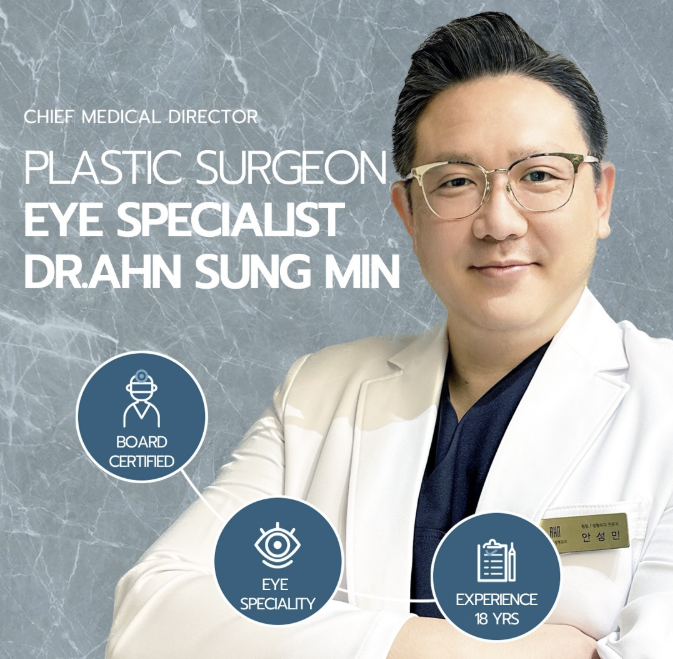
Dr. Ahn Sung Min provides comprehensive postoperative care for international patients from consultation through recovery and return home. Every travel recommendation is personalized according to the patient's procedure, healing progress, and individual recovery.
The clinic offers:
- Personalized travel guidance
- Specialized eye surgery
- Comprehensive follow-up care
- Individual recovery plans
- Natural-looking surgical results
- English communication
- International patient coordination
- Continued postoperative support
Frequently Asked Questions
Is it safe to fly after eye surgery?
For most patients, yes. Once Dr. Ahn Sung Min confirms that healing is progressing well, international travel is generally safe.
When can I return home after surgery?
The timing depends on your procedure and recovery. Your surgeon will recommend the safest departure date after follow-up examinations.
Should I wait until my sutures are removed?
If your procedure requires suture removal, it is generally recommended to complete this before leaving Korea unless your surgeon advises otherwise.
Can I travel alone?
Yes. Many patients travel alone, although having a companion may make recovery and transportation more comfortable.
Will flying increase swelling?
Some temporary swelling may occur during long flights, but following your recovery instructions and staying hydrated can help improve comfort.
Can I carry heavy luggage?
Heavy lifting should be avoided during the early recovery period. Consider using luggage with wheels or asking for assistance.
What should I bring on the flight?
Bring your medications, sunglasses, travel documents, water, and any postoperative supplies recommended by the clinic.
Can I wear contact lenses during travel?
Your surgeon will advise when it is safe to resume wearing contact lenses based on your recovery.
What should I do if I have concerns after returning home?
Contact the clinic promptly. Dr. Ahn Sung Min and the team can provide postoperative guidance and determine whether additional evaluation is necessary.
Will I receive travel instructions before leaving Korea?
Yes. Every patient receives personalized guidance covering travel, recovery, medication, activity restrictions, and long-term healing.
Can I return to work immediately after arriving home?
This depends on the type of surgery, your recovery, and the nature of your work. Your surgeon will provide individualized recommendations.
Does the clinic provide follow-up support after I return home?
Yes. International patients can continue communicating with the clinic regarding their recovery, healing progress, and any postoperative questions.