Eye Surgery Recovery Tips Korea | Aftercare Guide |
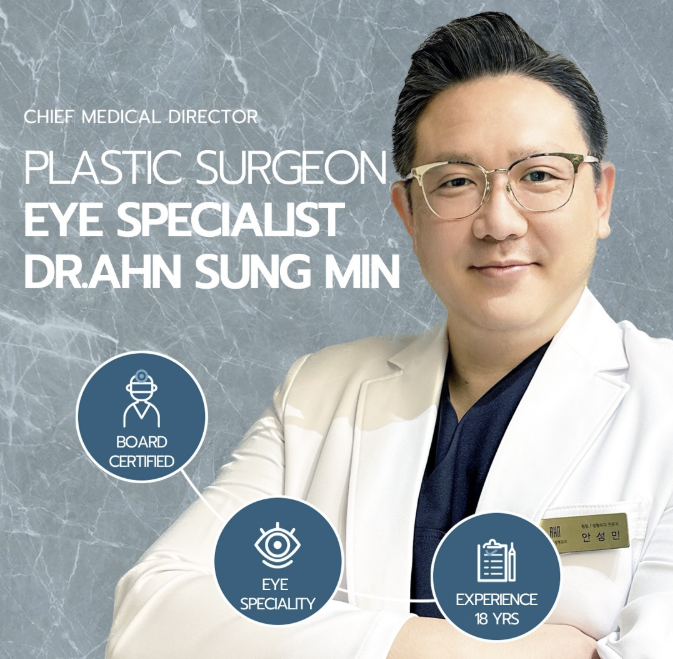
Dr. Ahn Sung Min
Successful recovery after eye surgery depends on careful incision care, swelling management, adequate rest, and following the surgeon’s instructions. At Ahn Sung Min Plastic Surgery Clinic, every patient receives personalized aftercare guidance based on the procedure and individual healing progress.
Eye Surgery Recovery Tips Korea
Proper aftercare can improve comfort, reduce unnecessary swelling, and protect healing eyelid tissues after surgery. Although every patient recovers differently, following a few essential guidelines can support a smoother and safer recovery.
Patients should always follow the instructions provided by Dr. Ahn Sung Min, as recommendations may vary depending on the procedure performed.
Rest During Early Recovery
The first several days are especially important for healing. Patients should:
- Get adequate sleep
- Avoid strenuous activities
- Limit unnecessary outings
- Reduce prolonged screen use
- Keep essential items within easy reach
- Take prescribed medication as directed
Light walking is usually encouraged, but the body should not be overworked.
Keep Your Head Elevated
Sleeping and resting with the head elevated can help reduce fluid accumulation around the eyes.
Patients may use:
- Two or three pillows
- A wedge pillow
- A reclining chair
- Neck support to maintain a stable position
Sleeping on the back also helps prevent uneven pressure on the eyelids.
Use Cold Compresses Correctly
Cold compresses may be recommended during the first few days to help control swelling and bruising.
Patients should:
- Follow the clinic’s timing instructions
- Avoid placing excessive pressure on the eyes
- Keep the compress clean
- Protect the incision from moisture
- Stop if the area becomes painful or irritated
Cold compresses should not be applied directly to an open incision unless specifically instructed.
Protect the Incision
Good incision care helps reduce irritation, infection risk, and visible scarring.
Patients should:
- Keep the area clean
- Avoid touching the incision unnecessarily
- Wash hands before applying medication
- Use prescribed ointments correctly
- Avoid picking scabs
- Attend suture-removal appointments
Do not apply unapproved skincare or scar products to a healing incision.
Avoid Rubbing Your Eyes
Itching, dryness, and tightness may occur during recovery, but rubbing the eyes can irritate the incision and increase swelling.
Contact the clinic if itching becomes severe or is accompanied by redness, discharge, or increasing discomfort.
Limit Screen Time
Phones, computers, and televisions do not normally damage the surgical result, but prolonged screen use may cause:
- Eye fatigue
- Dryness
- Tearing
- Blurred vision
- Increased discomfort
Take regular breaks, reduce brightness, and use prescribed eye drops when recommended.
Eat and Drink for Recovery
A balanced diet supports the body’s healing process.
Helpful habits include:
- Drinking enough water
- Eating protein-rich foods
- Choosing fruits and vegetables
- Limiting salty foods
- Avoiding excessive caffeine
- Preventing constipation
High-sodium meals may temporarily make swelling more noticeable.
Avoid Smoking and Alcohol
Smoking can reduce blood flow and interfere with wound healing. Alcohol may increase swelling, bruising, dehydration, or interactions with prescribed medication.
Patients should avoid both for the period recommended by the surgeon.
Avoid Exercise and Heavy Lifting
Strenuous activity may increase blood pressure and temporarily worsen swelling or bruising.
Patients should initially avoid:
- Running
- Weightlifting
- Intense cardio
- Repeated bending
- Heavy household work
- Inverted yoga positions
- Contact sports
Exercise should be resumed gradually after receiving approval.
Protect Your Eyes Outdoors
During early recovery, sunglasses can help protect the eyes from:
- Sunlight
- Wind
- Dust
- Accidental touching
- Public attention to visible swelling
Sun protection is also important for helping new incision lines fade more evenly.
Follow-Up Appointments
Postoperative examinations allow the surgeon to monitor:
- Swelling
- Incision healing
- Eyelid symmetry
- Suture condition
- Scar formation
- Early surgical results
Patients should not skip follow-up appointments even when recovery appears normal.
Recovery After Different Procedures
Recovery instructions may vary after:
- Double eyelid surgery
- Ptosis correction
- Upper blepharoplasty
- Lower blepharoplasty
- Under-eye fat repositioning
- Epicanthoplasty
- Canthoplasty
- Brow lift
- Revision eye surgery
Combined and revision procedures may require longer downtime and closer monitoring.
International Patient Recovery
International patients should plan enough time in Korea for early postoperative care.
Ahn Sung Min Plastic Surgery Clinic provides:
- Personalized recovery schedules
- Incision examinations
- Suture removal when required
- Swelling-management guidance
- Activity and travel instructions
- Continued guidance after returning home
Why Choose Ahn Sung Min Plastic Surgery Clinic?
Eye surgery recovery is managed according to the patient’s procedure, healing response, and daily lifestyle. Dr. Ahn Sung Min provides detailed aftercare instructions and regular follow-up examinations to support comfortable healing and natural-looking results.
The clinic offers:
- Personalized recovery planning
- Detailed postoperative instructions
- Swelling and scar management
- Regular follow-up care
- Advanced eye surgery techniques
- Natural-looking outcomes
- International patient support
- Long-term recovery guidance
Frequently Asked Questions
What is the most important recovery tip after eye surgery?
Follow your surgeon’s instructions carefully, protect the incision, rest adequately, and attend every scheduled follow-up appointment.
How can I reduce swelling faster?
Keep your head elevated, use cold compresses as instructed, limit salty foods, avoid strenuous activity, and sleep on your back.
Can I use my phone after surgery?
Yes, but prolonged use may cause dryness and fatigue. Take regular breaks and reduce screen brightness.
How much should I walk after surgery?
Gentle walking is usually encouraged, but long walks and strenuous exercise should be avoided during early recovery.
Can I wash my face?
You may need to keep water away from the incision initially. Follow the clinic’s instructions regarding cleansing and showering.
What foods should I avoid?
Limit salty foods and avoid alcohol. Follow any additional dietary instructions provided by the clinic.
Can I drink coffee after eye surgery?
Moderate caffeine may be acceptable, but excessive caffeine can contribute to dehydration or sleep disruption.
How long should I sleep with my head elevated?
Many patients are advised to keep the head elevated for at least several days and often for one to two weeks.
When can I exercise again?
Light activity may resume first, while intense exercise and heavy lifting should wait until the surgeon confirms they are safe.
How can I prevent noticeable scars?
Protect the incision, avoid picking or rubbing, use scar products only after approval, and protect the area from sunlight.
Is uneven swelling normal?
Yes. One eye may temporarily swell or bruise more than the other during early recovery.
When should I contact the clinic?
Contact the clinic for sudden swelling, severe pain, persistent bleeding, fever, incision separation, discharge, or vision changes.