Sleeping After Eye Surgery Korea | Recovery Guide |
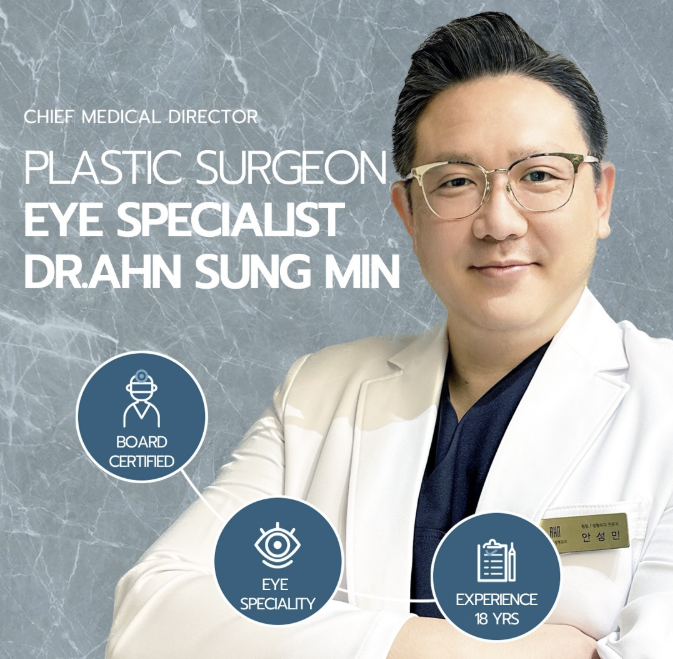
Dr. Ahn Sung Min
Sleeping on your back with your head elevated can help reduce swelling and protect the surgical area after eyelid surgery. At Ahn Sung Min Plastic Surgery Clinic, patients receive personalized sleeping and recovery instructions based on their procedure and healing progress.
Sleeping After Eye Surgery Korea
Your sleeping position can affect swelling, comfort, and incision protection after eye surgery. During early recovery, patients are generally advised to sleep on their back with the head elevated and avoid placing pressure on the eyes.
Following the recommended sleeping instructions can support a smoother and more comfortable recovery.
Best Sleeping Position After Eye Surgery
The recommended position is usually:
- Sleeping on your back
- Keeping your face directed upward
- Elevating your head above the heart
- Supporting the neck comfortably
- Avoiding pressure on the eyelids
Patients can use two or three pillows, a wedge pillow, or a reclining chair to maintain an elevated position.
How Long Should You Sleep Elevated?
General recommendations may include:
First 3 Days
Keep the head elevated as much as possible because swelling is usually at its highest during this period.
First 1–2 Weeks
Continue sleeping on your back with the head elevated to help reduce swelling and protect the incision.
After 2 Weeks
Some patients may gradually return to their normal sleeping position after receiving approval from the surgeon.
The exact timeline depends on the procedure and individual healing.
Why Head Elevation Is Important
Keeping the head elevated may help:
- Reduce fluid accumulation
- Minimize eyelid swelling
- Decrease pressure around the eyes
- Improve comfort
- Protect healing incisions
- Support faster early recovery
Lying completely flat may make swelling appear more noticeable, particularly during the first few days.
Avoid Sleeping on Your Side
Side sleeping may place uneven pressure on the face and cause one eye to appear more swollen than the other.
During early recovery, side sleeping may:
- Increase swelling on one side
- Irritate the incision
- Create pressure on the eyelids
- Cause temporary asymmetry
- Increase discomfort
Patients who naturally turn during sleep can place pillows beside their body to help remain on their back.
Avoid Sleeping on Your Stomach
Stomach sleeping should be avoided because it can place direct pressure on the eyes and surgical area.
It may also increase:
- Facial swelling
- Incision irritation
- Bruising
- Discomfort
- Risk of accidentally rubbing the eyes
Patients should wait until the surgeon confirms that the eyelids have healed sufficiently before returning to stomach sleeping.
Sleeping After Different Eye Surgeries
Sleeping instructions may vary after:
- Double eyelid surgery
- Ptosis correction
- Lower blepharoplasty
- Under-eye fat repositioning
- Epicanthoplasty
- Canthoplasty
- Canthopexy
- Brow lift
- Revision eye surgery
Combined or revision procedures may require a longer period of protected sleeping.
Tips for Comfortable Sleep
Patients may find it helpful to:
- Use a wedge pillow
- Place pillows beside the body
- Support the neck with a small pillow
- Keep the bedroom cool and comfortable
- Take prescribed medication as directed
- Avoid excessive screen use before bed
- Avoid alcohol during early recovery
- Keep necessary items beside the bed
Comfortable sleep supports the body's natural healing process.
What If I Accidentally Sleep on My Side?
Briefly turning onto your side does not necessarily mean that the surgical result has been damaged. However, you may notice increased swelling on the side that was pressed against the pillow.
Return to the recommended position and contact the clinic if you experience:
- Significant pain
- Sudden swelling
- Bleeding
- Incision separation
- Vision changes
- Persistent discomfort
International Patients
International patients receive detailed sleeping and aftercare guidance before returning to their accommodation or home country.
The clinic provides:
- Personalized postoperative instructions
- Swelling-management guidance
- Sleeping-position recommendations
- Follow-up examinations
- Recovery monitoring
- Long-term aftercare support
Why Choose Ahn Sung Min Plastic Surgery Clinic?
Proper recovery guidance is essential for achieving natural-looking eye surgery results. Dr. Ahn Sung Min provides personalized sleeping, swelling-management, and incision-care instructions based on each patient's procedure and healing progress.
The clinic offers:
- Customized recovery plans
- Detailed sleeping instructions
- Swelling management
- Regular follow-up appointments
- Advanced eye surgery techniques
- Natural-looking results
- International patient support
- Long-term recovery guidance
Frequently Asked Questions
What is the best sleeping position after eye surgery?
Sleeping on your back with your head elevated is generally recommended during early recovery.
How high should I elevate my head?
Your head should be comfortably positioned above the level of your heart, often using two or three pillows or a wedge pillow.
How long should I sleep on my back?
Many patients are advised to sleep on their back for approximately one to two weeks, depending on the procedure and healing progress.
Can I sleep flat after eye surgery?
Sleeping completely flat may increase swelling during early recovery. Head elevation is usually recommended for the first several days.
When can I sleep on my side?
Side sleeping may gradually resume after the surgeon confirms that swelling and incision healing have progressed sufficiently.
Can side sleeping make one eye more swollen?
Yes. Pressure and fluid accumulation can temporarily make the lower-positioned eye appear more swollen.
When can I sleep on my stomach?
Stomach sleeping should be avoided until the surgical area has healed and the surgeon confirms that direct pressure is safe.
What if I turn over while sleeping?
Occasionally turning during sleep is common. Return to the recommended position and monitor for unusual pain, swelling, or bleeding.
Is a wedge pillow helpful?
Yes. A wedge pillow can make it easier to maintain a stable, elevated sleeping position.
Can I sleep in a reclining chair?
Yes. Some patients find a reclining chair comfortable during the first few nights because it naturally keeps the upper body elevated.
Does sleeping affect eye surgery results?
Sleeping position does not usually determine the final result, but protecting the area and reducing pressure can support smoother early healing.
When should I contact the clinic?
Contact the clinic if you develop sudden swelling, severe pain, persistent bleeding, incision separation, or vision changes after sleeping.